BIOMATERIALS & MECHANOTRANSDUCTION
Nanoscale Biomaterials for Stem Cell Osteogenesis and Focal Adhesion Signaling
MSCs are induced to differentiate into osteogenic fate by culturing on advanced nanostructured biomaterials and the regulatory role of focal adhesion signaling is investigated with MSCs displaying FAK-shRNA or overexpression.
Mechanical Loading Control of Bone and Stem Cell Fate and Cytoskeleton-Nucleoskeleton Mechanosensor
Osteoblasts and stem cells are manipulated to express altered cytoskeletal-nucleoskeletal tension sensors, ROCK and Nesprin, and exposed to fluid shear and mechanical stretch to reveal the mechanotransduction mechanisms of skeletal development/homeostasis.
YAP Mechanotransduction Signaling under Dynamic Mechanical Loading
Under mechanical stretch and fluid shear, the role of Hippo-YAP mechanosignaling in stem cell fate decision, adipocyte metabolic action, and breast cancer cell migration is investigated with associated pathways of ROCK-regulated F-actin and AMOT, FAK focal adhesion, alpha-catenin cell-cell junction, and Nesprin cell-nucleus link.
Mesenchymal Stem Cell Developmental Mechanobiology for Obesity
MSC adipogenesis is inhibited by mechanical cues (stretch, fluid flow) and soluble factor (retinoic acid) and co-regulatory role of BMP, FAK/ROCK/Nesprin/Cadherin, and RAR is tested to understand mechanical-biochemical crosstalk in MSC adipogenesis for obesity study.
Adipocyte Stretch Mechanotransduction for Insulin Signaling and Type 2 Diabetes
Adipocytes are exposed to physiologically relevant mechanical loading (cyclic vs. static stretching) and its effects on adipokine secretion and autocrine/paracrine insulin signaling cascades are examined to reveal the missing link between obesity and type 2 diabetes.
Lim Lab Research Gallery
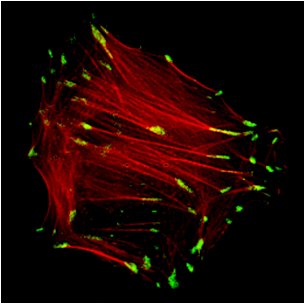
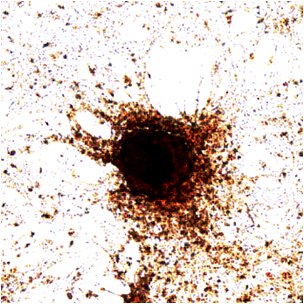
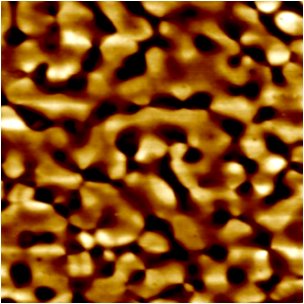
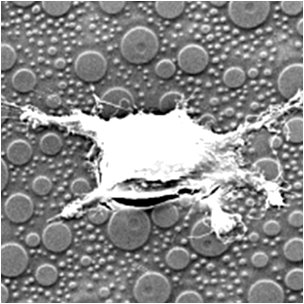
Vinculin focal adhesion Bone mineral staining Nanopit topography Cell on nanoislands
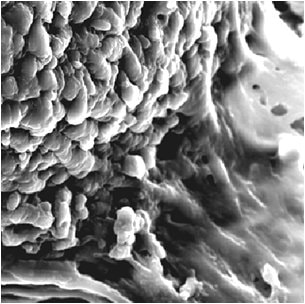
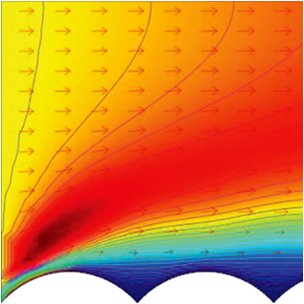
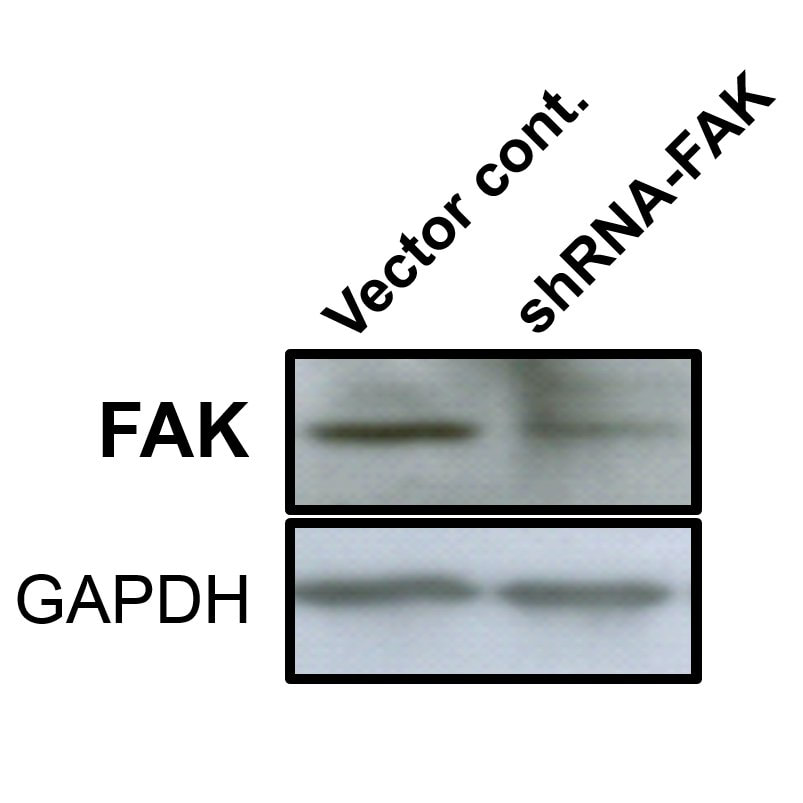
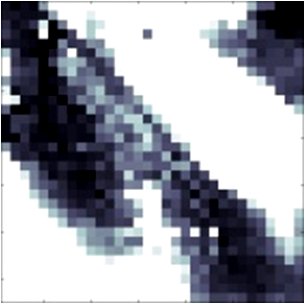
Cell interaction with ECM Fluid flow over cells (FEM) Silencing FAK by shRNA Cell modulus map (AFM)
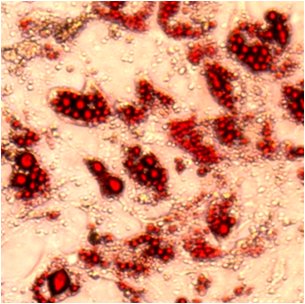
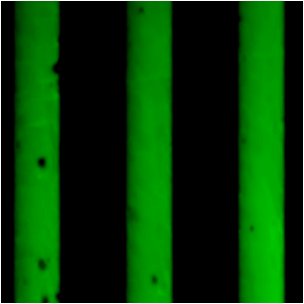
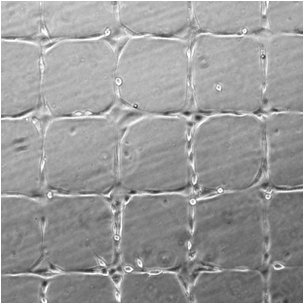
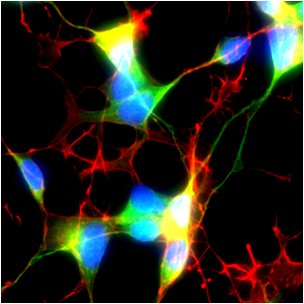
hMSC adipogenesis Collagen micropatterning 4-arm interconnected cells Cellular neurogenesis
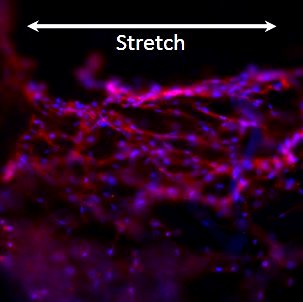


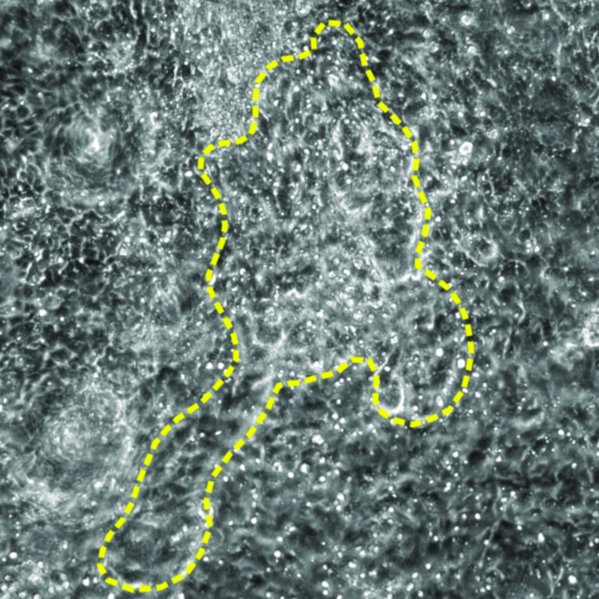
Cell orientation in 3D gel Cell on nanofibers MSC migration under flow Cardiomyocyte beating
